

Dental implants. Start with the whole picture.
A dental implant is a replacement root that supports a crown or another tooth replacement. North Harbor Dentistry can assess your mouth and discuss whether implant care fits your health, bone support and goals. Planning includes the restoration, healing time, ongoing maintenance and any treatment or specialist involvement your case requires.
Request A Visit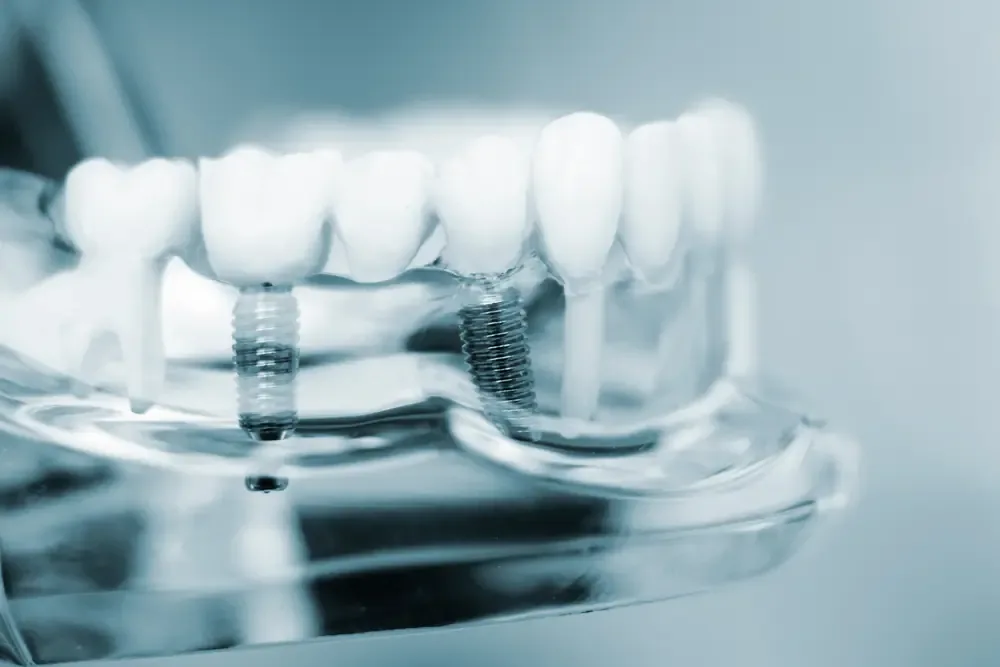
- Consider
- A replacement for one tooth or support for multiple missing teeth.
- Evaluate
- Oral health, bone, medical history and healing considerations.
- Plan ahead
- The complete sequence, including the final restoration.
The implant is one part of the replacement.
An implant is placed in the jaw, where healing allows it to integrate with the surrounding bone. A connector and a visible restoration complete the replacement. Depending on the situation, implants can support an individual crown or a larger tooth replacement.
That is why a useful conversation goes beyond asking for an implant price. Ask which parts are included, who will provide each stage, and what you will wear while the area heals. Those details help you compare complete plans rather than isolated procedures.
A good plan begins with suitability.
Your dentist considers the available bone, gum health and medical history. Tobacco use and some health conditions can affect healing. Some people need preparatory care or bone grafting before an implant can be considered. Timing varies, and the full process often takes months.
Bring a list of medications and previous dental treatment, along with the practical questions you have about eating, work and appointments. Ask which findings support the recommendation and which uncertainties remain. The assessment should give you a clearer decision, not pressure to choose a particular treatment.
Compare what living with each option means.
A bridge or removable denture may also be appropriate. Each approach has different requirements for support, cleaning, treatment stages and maintenance. Your preferences matter alongside the clinical findings: whether the replacement is removable, how it is cared for, and the commitment involved over time.
Ask for a written plan covering proposed stages, expected review visits, restoration costs and any separate professional fees. If treatment involves another clinician, clarify the handoff and whom to contact with questions. An estimate should make those boundaries visible.
What to expect.
Assess and compare
Review your health, examine the area and compare suitable replacement options.
Prepare and heal
Complete any necessary preparatory care, placement and the recommended healing reviews.
Restore and maintain
Fit the planned restoration and establish cleaning and follow-up care.
A few useful answers.
Can I have an implant immediately after losing a tooth?
Sometimes immediate placement is possible, but it is not appropriate for every site. Infection, bone and tissue conditions influence timing. Ask what can be determined now and what may need to be reassessed after healing.
Are dental implants guaranteed to last for life?
No. Implants and their restorations need care and monitoring, and complications can occur. Ask about maintenance, risk factors and what follow-up is recommended for your situation.
Does North Harbor perform every stage in the office?
Your treatment plan should identify who will handle placement, restoration and any additional procedures. Ask the team to explain the roles and referrals for your case before scheduling treatment.
Can I still choose a bridge or denture?
Yes. Implants are one possible approach, not an obligation. The examination and your priorities help determine which alternatives are suitable and what their practical trade-offs would be.
About This Information
General background for a conversation with your dentist. Treatment choices depend on an individual examination.
Make a considered choice about replacement.
Bring your questions about implants, alternatives and the full treatment sequence.