

Our approach to care. A clearer next step.
At North Harbor Dentistry, your concerns are part of the examination. We start with what brought you in, review your oral health and explain the findings before discussing treatment. The aim is a plan you understand, with room for questions about priorities, comfort, timing and cost.
Request A Visit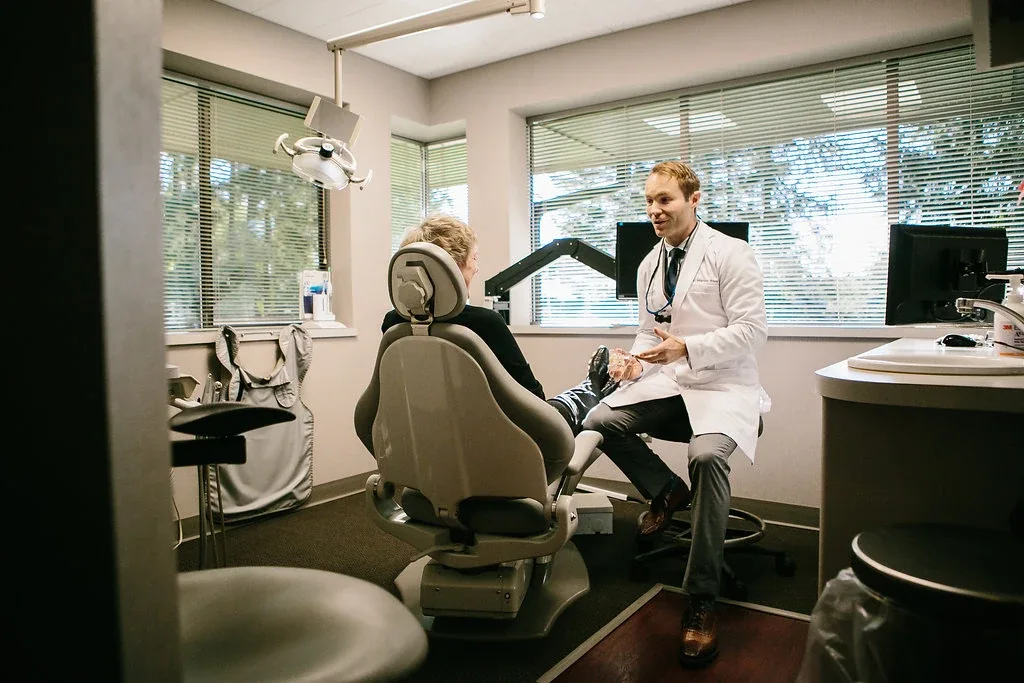
- Start here
- Your concern, goals and health history
- Understand
- Findings, options and practical tradeoffs
- Plan ahead
- Next steps, visit needs and cost questions
Tell us what brought you in.
A routine checkup. A tooth that has started bothering you. A change you would like to make. Whatever prompted the appointment, begin there. Your experience helps give the examination context, including what feels different and what you hope to understand by the time you leave.
If it has been a while since your last appointment, say so. You do not need to arrive with a complete explanation or a treatment plan already in mind. A useful first step is understanding where things stand today.
An examination puts the pieces together.
A new-patient evaluation brings your health history together with an examination of your teeth, gums and mouth. It includes oral cancer screening, review of gum health and an assessment of issues such as wear, fractures and missing teeth. Existing or recommended X-rays may add information the dentist cannot see by looking alone.
A first appointment does not automatically include a cleaning. The findings help determine the appropriate kind of care and what should happen next. The office can explain what is planned when you arrange your visit.
Know what the recommendation means.
A treatment name is only part of an answer. You should understand the problem being addressed, the proposed approach, reasonable alternatives and the relevant benefits and risks. Ask what waiting would mean, too. That discussion belongs with the dentist who is recommending your care.
Practical details matter alongside the clinical ones. If several needs are identified, ask how they relate, which need attention first and whether treatment can be planned in stages. Ask for the expected appointment sequence and an explanation of the estimate before making arrangements.
Say what would help you feel prepared.
You might want an explanation before each step, an agreed signal for a pause, or time to talk about a previous difficult experience. Raise those preferences before treatment begins so the team can discuss what is possible for your appointment.
North Harbor offers nitrous oxide as a comfort option when appropriate. It requires a discussion of your health history and the planned procedure; it is not necessary or suitable for every visit. Ask the team about the options that fit your circumstances.
What to expect.
Share
Explain the concern, goal or question behind your visit, along with relevant health changes.
Understand
Review the examination findings and ask what they mean for your oral health.
Consider
Discuss suitable options, their tradeoffs and the practical details of treatment.
Plan
Clarify the agreed next step and what you need to know before returning.
A few useful answers.
Can I discuss more than one concern at an appointment?
Tell the office your main concerns when scheduling so the team understands what you need. At the visit, discuss which questions can be addressed that day and whether another appointment is needed for a more detailed assessment.
Can I ask to see what the dentist is describing?
Yes. Ask which findings can be shown in an intraoral photograph or X-ray and what the image means. Some findings also depend on the physical examination, symptoms and health history; an image alone does not explain every concern.
Will I know the cost before treatment?
The practice's new-patient process includes discussing a financial plan. Ask for an explanation of the proposed treatment estimate and any expected insurance contribution. Coverage and the final patient responsibility depend on your plan and the care provided.
What if I am unsure about a recommended treatment?
Ask the dentist to explain the reason for the recommendation, the alternatives and the implications of waiting. Let the team know which part remains unclear. Understanding your options is part of deciding how to proceed.
You can start with a question.
Tell us what you need help understanding. The office can help you plan the appropriate first visit.